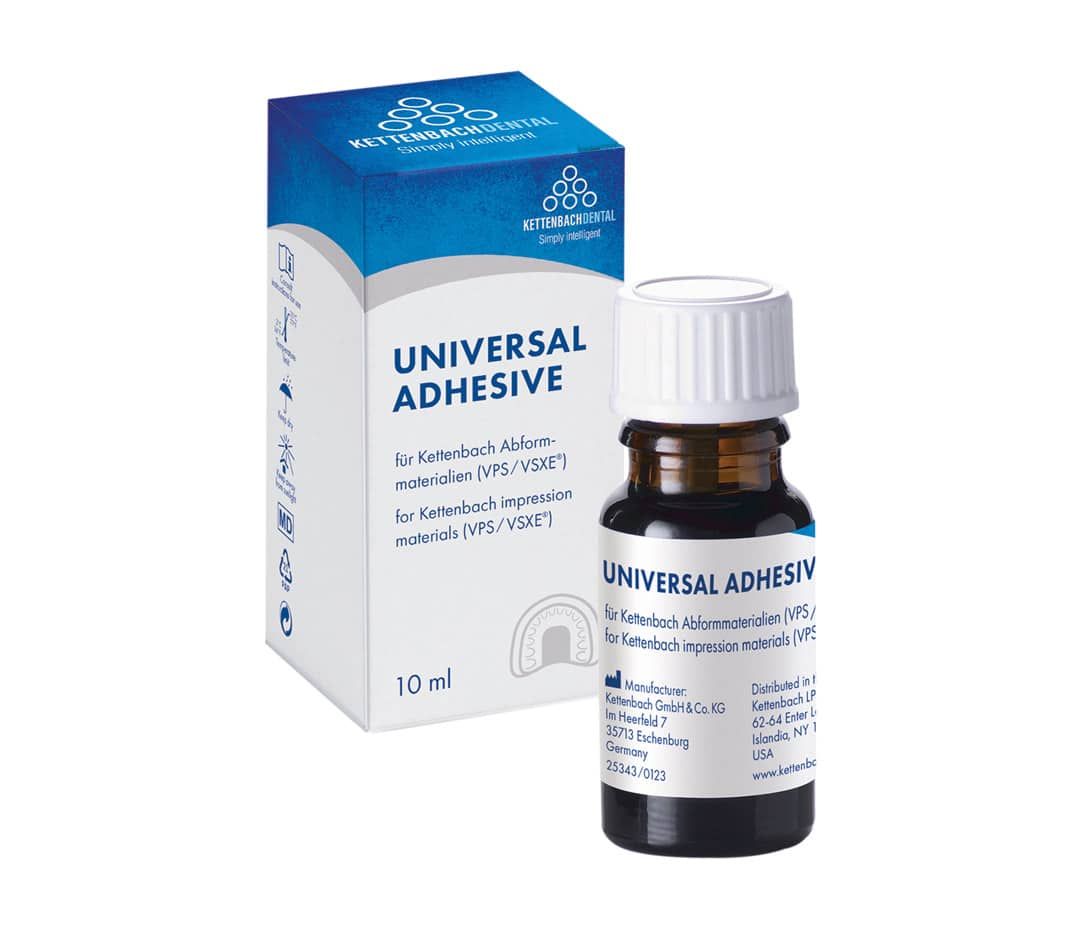
Universal Adhesive
WELCOME20
10 mL
To ensure optimal adhesion between the impression tray and the impression material, use the UNIVERSAL ADHESIVE, which is a uniform solution for all Kettenbach Dental impression materials.
Product description
UNIVERSAL ADHESIVE – a simply intelligent “one-size-fits-all” solution
To ensure optimal adhesion between the impression tray and the impression material, it is recommended to use an adhesive that is appropriate for the chemical composition of the impression material.
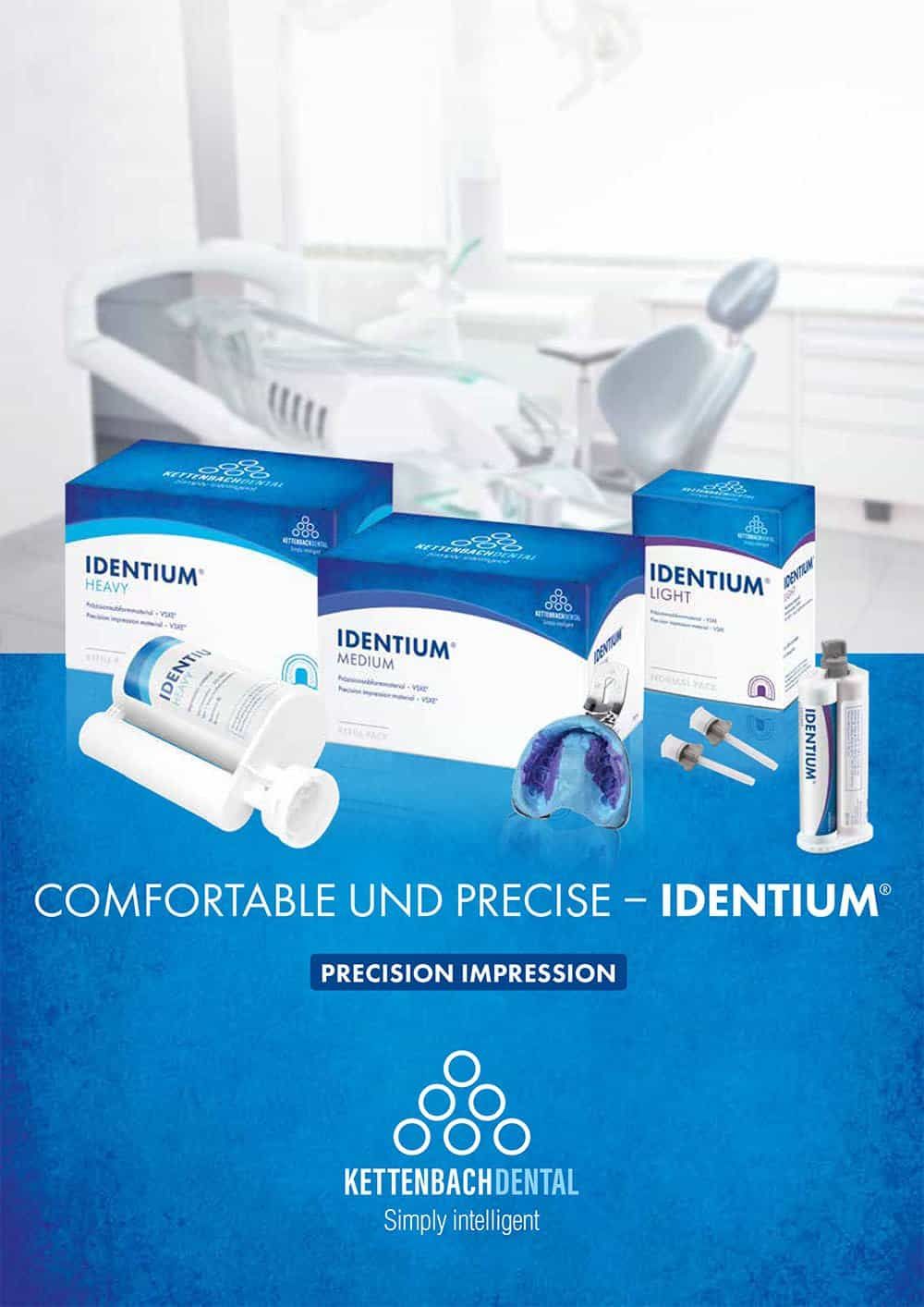
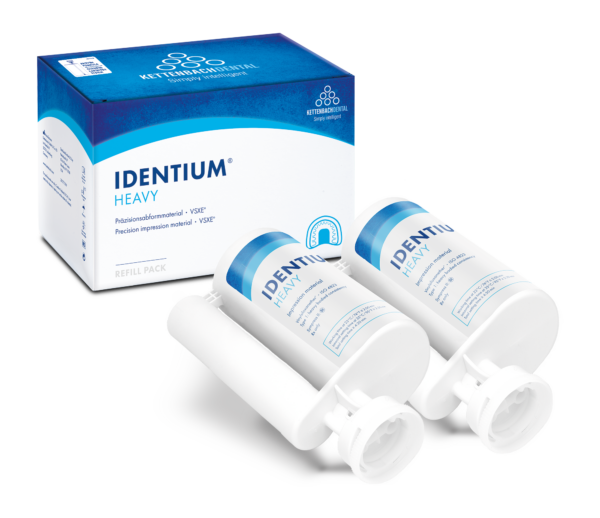
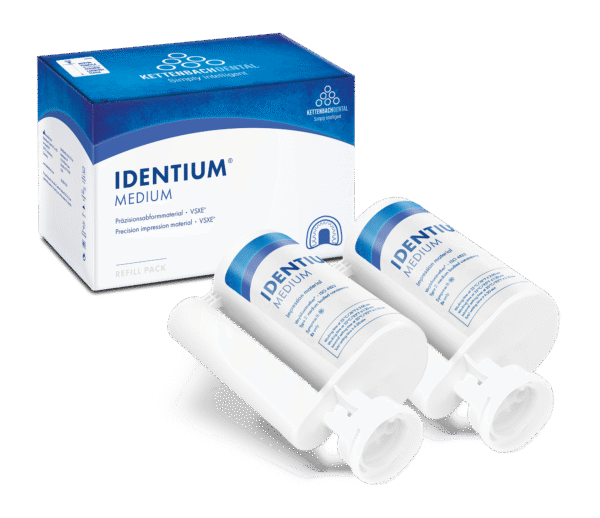
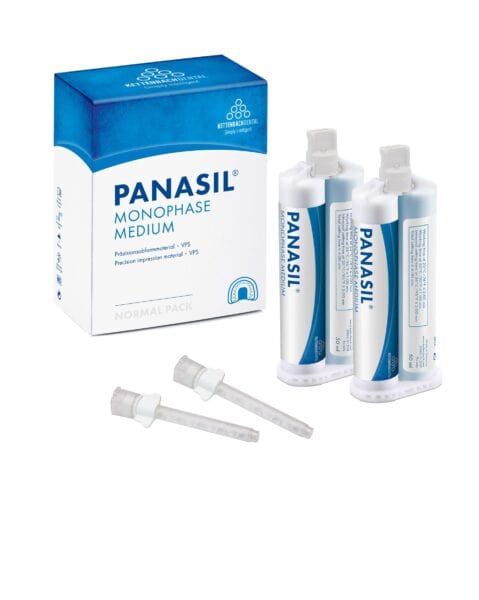
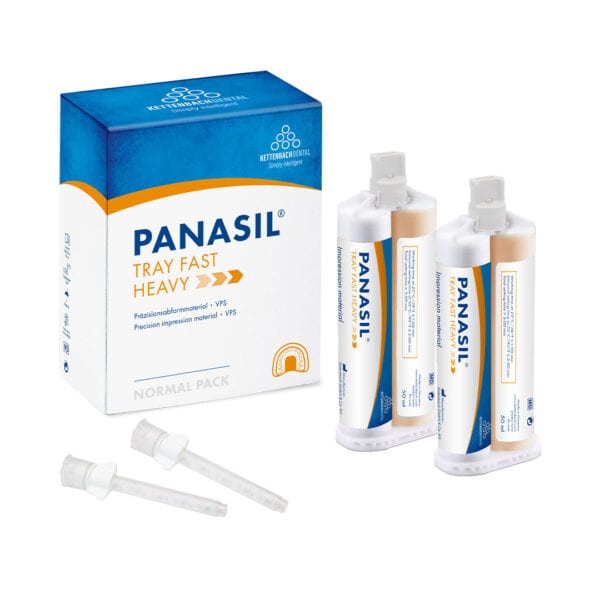
The UNIVERSAL ADHESIVE is specifically tailored to be a uniform solution for all Kettenbach Dental impression materials, like PANASIL® and IDENTIUM®.
Our soft relining material MUCOPREN® SOFT is to be combined with MUCOPREN® ADHESIVE.
Possibly also interesting…
Product specifications
Additional information
| Content | 10 ml |
|---|---|
| Indication / Technique | Tray adhesive |
| Application method | Brush |
| Type of packaging | Bottle (10 ml) |
| Colour | Transparent/blue |
| Type of material | A-silicone (VPS) |
Frequently asked questions
Visalys® CemCore from Kettenbach Dental is a dual-curing luting composite designed for safe and predictable cementation of all indirect restorations. This 2-in-1 product can also be used for fabricating core build-ups and build-up fillings. The unique, patented Active-Connect Technology eliminates typical conflicts and enables optimal mixing of the somewhat hydrophobic composite Visalys® CemCore with the hydrophilic Visalys® Tooth Primer on the damp tooth surface, resulting in a permanently high adhesive bond. Visalys® CemCore features excellent flow properties, is radiopaque, bisphenol-A-free, and ready to use.
The correct procedure for taking an alginate impression for an individual edentulous tray.
Determine the tray size based on the old denture. If in doubt, choose one tray size larger for the upper jaw and one tray size smaller for the lower jaw. For a large jaw, it is best to use a tray for a dentate jaw and apply yellow beeswax to the trigonea. Coat the trays with the appropriate adhesive and make the alginate stiff. If using Silginat® (an A-silicone) for the impression, first coat the trays with Panasil® adhesive.
- Select appropriate impression tray, ensure proper size and fit.
- Apply Kettenbach Dental Universal Adhesive 5 min before taking the impression.
- Prepare the oral situation: Block out large undercut areas, expand the sulcus and control bleeding. For subgingival preparation margins, use retraction cords. If applicable, clean the prepared stumps.
- Prepare impression material and accessories: Bring material to room temperature. Depending on type of cartridge, discard some material. Mix the material homogeneously and fill the tray completely and continuously without interruption. Leave the mixing tip in the material when filling the tray to avoid bubbles. For hand-mixed putties, maintain a 1:1 ratio of catalyst to base material. Do not use latex gloves or polyether “contaminated” accessories. If applicable, thoroughly remove any inhibition layer on the surface of custom trays.
- Insert the filled impression tray into the patient’s mouth as vertically as possible to the occlusal plane. Set a timer according to the indicated setting time. Hold the tray in position, do not fully depress. Do not hand the impression tray over to others.
- After the material has completely set, remove the impression tray as vertically as possible to the occlusal plane with a slight rotational movement.
- Rinse, dry and disinfect the impression.
General guidance: Always follow manufacturer instructions and observe working and setting times. To ensure best results, use original mixing tips.
For more tips, consult our product-specific FAQs and troubleshooting guide.
Longer or shorter setting times (than indicated):
- The material could be too warm or too cold. Always bring the impression material to room temperature first: working and setting times are affected by higher or lower temperatures.
- With a hand-mixed A-silicone putty, it is important that the ratio of catalyst to base material is 50/50%; otherwise, setting times may be affected.
No / delayed setting:
- Do not use latex gloves.
- Discard a little material at first (jumbo cartridge) / before each (50 ml cartridge) use.
- Do not mix different types of material. Use dedicated accessories (e.g. application syringes) for each type of material (e.g. polyether vs. A-silicone), do not use accessories “contaminated” with other types of materials
- Retraction agents containing ferric sulfate, epinephrine or aluminium chloride may have a negative effect on the setting. When using such materials, rinse area thoroughly.
No adhesive bonding:
- The adhesive must be dry before the tray is filled with impression material.
- To allow the tray adhesive to work effectively, ensure that there is no inhibition layer on the surface of custom trays. If necessary, remove the smear layer with alcohol or mechanically.
General tips:
- Leave the mixer in the material when dispensing to avoid air bubbles.
- To ensure best results, always use original mixing tips.
- Always follow manufacturer guidances.